Community
16 October, 2025
Long waits as clinic battles systemic issues
TERANG Medical Clinic has announced it cannot take new patients due to staffing shortages impacting rural practices.
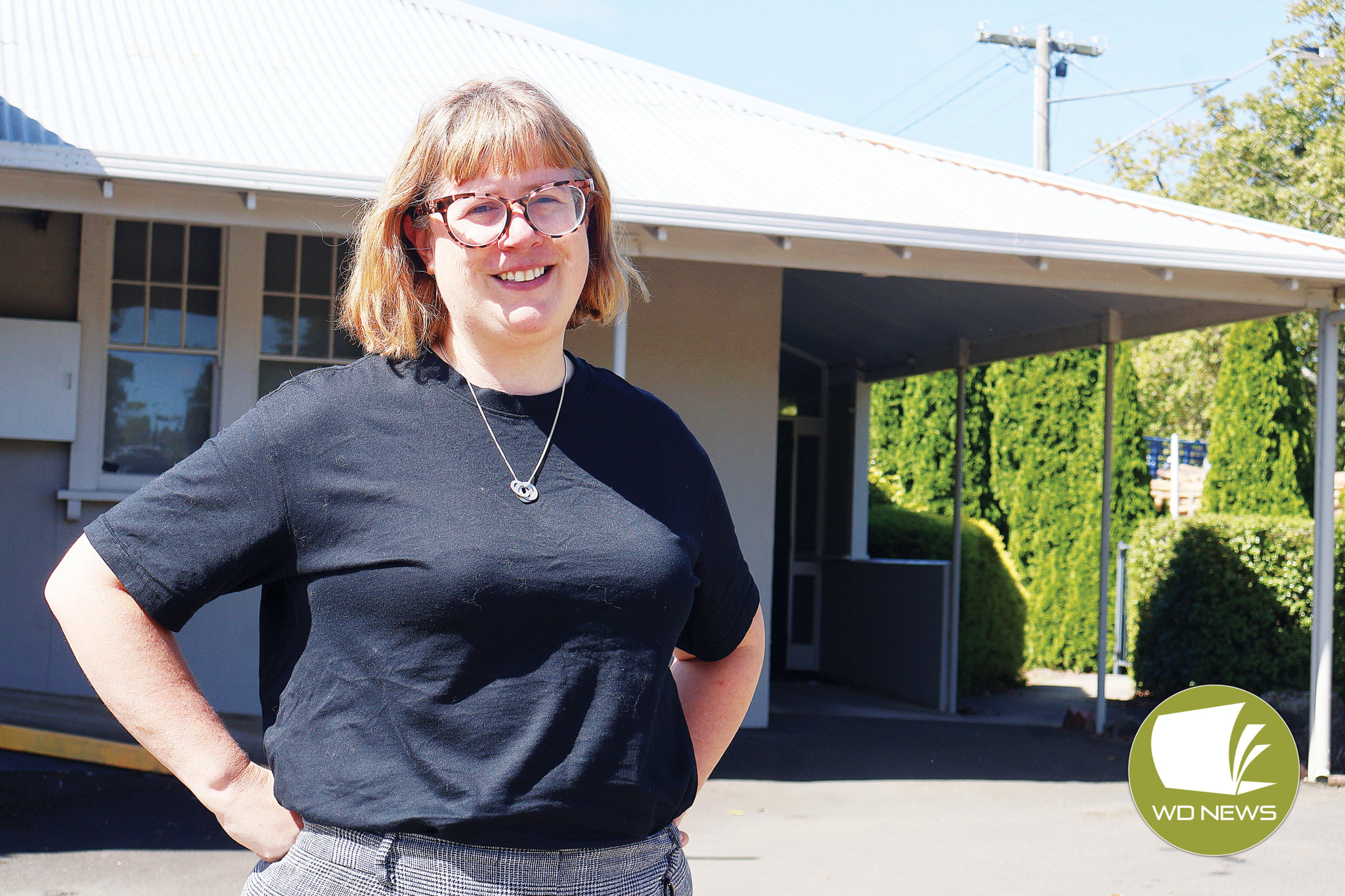
The clinic last Tuesday informed the community it would no longer be accepting new patients as demand was far exceeding capacity, with waiting times having extended beyond eight weeks.
Practice owner Dr Jacqueline Altree said Terang Medical Clinic was no exception to the issues rural practices faced, with not enough doctors to meet demand.
“This is due to a number of factors – most pressingly for us a combination of retirement, maternity leave, and the natural moving on of our registrars once their training time has been completed,” she said.
“While all of these factors have come into play in the past at various times, for us the timing has lined up to give us a shortfall of approximately three-or-four positions, depending on the hours worked.
“We are actively recruiting via a number of medical organisations including those dedicated specifically to rural health.
“We have also reached out within our own networks and are looking at more creative solutions, such as making remote Telehealth positions available to ease some of the backlog.
“We will continue to work with registrar training organisations to ensure we are continuing to attract general practitioner (GP) specialists in training, and are currently undergoing the accreditation process to be able to accept overseas trained GPs.”
Dr Altree said the challenge in finding new staff included systemic issues, ranging from having enough supervisors to recruit through to the changing landscape of practice.
“Back in 1980-1985, approximately 50 per cent of medical school graduates would go on to do general practice but in 2020, this number had shrunk to less than 15 per cent,” she said.
“So even though we are training more doctors than ever, proportionally less of them are going into general practice.
“Plus, those GPs who graduated medical school in 1980-1985 are now retiring in large numbers after a long career.
“Add to this a generally ageing population with increasing healthcare needs, and you can see why demand exceeds supply everywhere in the system.
“Then there are the perennial challenges of recruiting into a rural area which are felt across a number of sectors, not just medical.”
Finding a GP willing to move to a rural community can also be a complex process, in part due to the changing demographics of those entering medical school which is seeing students graduating from postgraduate study at an older age.
“I’m a strong advocate for postgraduate medical education as I believe it helps shape more well-rounded, capable doctors but one consequence is that by the time GP training is complete, new fellows are often older than they would have been in previous generations,” Dr Altree said.
“Many have partners and children and a move to a rural area isn’t just a professional decision – it’s a major life shift affecting the whole family.”
“It can mean leaving behind stable employment opportunities for a spouse, facing pay cuts, disrupting children's schooling, and moving away from established support networks.
“We know our rural communities are warm, welcoming and eager to embrace new doctors and their families but for someone who's only ever lived in the city, especially with a young family, the idea of such a big move can understandably feel daunting.”
Dr Altree said there was government support for rural clinics, such as the Commonwealth Government Workforce Incentive Program which helps to provide yearly payments for doctors moving to rural areas, but felt other systemic issues hindered attempts to find stability.
“Changes to the Medicare billing schedule are also somewhat targeted at helping to boost the income of rural doctors – think various bulk billing incentives again tiered in terms of rurality,” she said.
“These changes, although not unwelcome, remain deeply flawed in ways I can't imagine governments are unaware of.
“I think ultimately this is going to be about finding long term solutions, such as rehabilitating the image of general practice among medical graduates and prioritising regional medical students who are more likely to return to their area of origin.
“Unfortunately, the current dire state of GP appointments at the moment can only be contributing to the poor image of general practice as a specialty among young doctors considering a training pathway.
“Far from being the ‘lifestyle’ choice, it's now either replaceable by a ChatBot (because the assumption is all GPs do is sign scripts and do sick notes) and therefore a waste of skills and training, or an immensely hard slog prone to burnout and overwork.”
Dr Altree offered her appreciation to the community, which in large part has been understanding of the challenges the practice faces.
She acknowledged some frustration from members of the community has crossed the line – but stressed those same frustrations are felt by clinic staff.
“We’ve been met with immense kindness and support, for which we're truly grateful and honestly it's nothing less than what we would expect from an amazing community like Terang,” Dr Altree said.
“As a clinic, we share your frustration and concern.
“This is exactly the kind of environment where patients can fall through the cracks.
“Straightforward issues may become more complex due to delays, or people may hesitate to seek care, feeling someone else might need an appointment more.
“Something I hear often from kind-hearted locals who are every bit as deserving of care as anyone else.”
Dr Altree said she fears pressures on rural practices could quickly lead to negative health consequences for the wider community
“We know many patients are turning to virtual emergency departments, online services like Instant Scripts, or simply choosing not to come in at all,” she said.
“We worry about the long-term consequences of this fragmentation of care and potentially inadequate follow up, especially for patients with whom we've built strong relationships and for whom we feel a deep sense of responsibility.
“Preventative care, which we know has the greatest long-term impact on health outcomes, is often one of the first things to be postponed when appointment availability is tight.
“Instead, we're forced to prioritise urgent issues, which can delay the care that helps prevent those urgencies in the first place.
“It’s inefficient, frustrating and, frankly, at times dangerous.”
Dr Altree said this could lead to issues for staff known as moral injury – the distress of knowing what care a patient needs but being unable to provide it.
“It’s a major contributor to burnout in general practice,” she said.
“As an employer, I'm acutely aware of how important it is to support our remaining GPs, who are already working at full capacity, in order to prevent further burnout and protect the future of our service.
“Please be assured that we are doing everything we can to both recruit new medical staff and to keep current capacity going.”
Read More: Terang